

The allure of risk-taking
The thrill of taking risks is deeply embedded in human psychology. When individuals visit a casino, they often encounter a blend of excitement and anticipation. This alluring atmosphere, accentuated by vibrant lights, captivating sounds, and the sheer chance of winning, can create a euphoric experience. Such environments stimulate adrenaline production, which heightens feelings of pleasure and motivation, prompting individuals to engage in behavior that may be deemed irrational outside of this context. Many players also seek out new betting sites that offer unique gaming options, and the sensory overload can lead to a temporary escape from reality, allowing individuals to forget their everyday worries and immerse themselves in the exhilaration of the gamble.
Moreover, risk-taking is often associated with a sense of adventure and freedom. Many people enjoy the idea of defying probabilities, believing that they possess a unique strategy or the ability to beat the odds. This belief can be fueled by cognitive biases, such as the illusion of control, where gamblers overestimate their ability to influence outcomes in games typically governed by chance. For example, a player might convince themselves that their betting patterns can sway the results of a game, leading them to take increasingly larger risks in pursuit of a win. The internal thrill of taking a risk can be more appealing than the actual probability of winning, further entrenching individuals in a cycle of gambling behavior.
Addiction to risk-taking can also be linked to deeper psychological factors, such as escapism or anxiety relief. For some, the casino serves as a temporary refuge from life’s pressures. The ethereal promise of a jackpot can pacify unresolved emotional states or dissatisfaction with daily routines, driving individuals to immerse themselves in the gambling experience time and again. Such motivations underline the complexity of gambling behavior and reveal the emotional ties many individuals have to this pastime. The casino becomes a space where the mundane can be forgotten, and the allure of risk offers a tantalizing escape from reality.
The concept of loss aversion
Loss aversion is a key psychological principle that influences gambling habits. This concept, rooted in behavioral economics, suggests that people tend to prefer avoiding losses rather than acquiring equivalent gains. Essentially, the pain of losing is psychologically more impactful than the pleasure of winning. This phenomenon can lead gamblers to chase their losses, perpetuating a cycle of increased play as they attempt to recoup funds lost in gambling endeavors. This tendency is often exacerbated by the casino environment, which is designed to keep players engaged despite their losses.
Many gamblers find themselves caught in a web of emotional responses driven by loss aversion. Each loss exacerbates the desire to continue playing, hoping that the next bet could lead to recovery. This pattern creates a situation where rational decision-making is overridden by emotional impulses. Casinos capitalize on this psychological tendency, often providing enticing incentives such as free drinks, complimentary meals, and loyalty programs that encourage continued play even after losses. The emotional high that comes with the hope of winning back lost money can cloud judgment, leading to further financial risk.
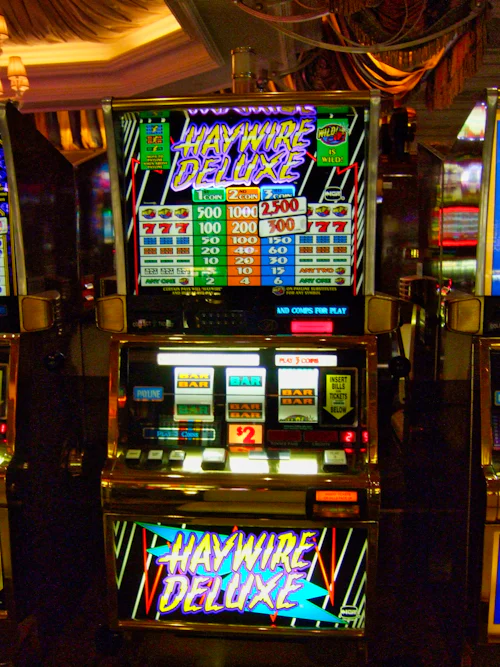
The implications of loss aversion extend beyond individual experiences; they contribute to the gambling industry’s overall design. Marketing tactics often emphasize the potential for big wins while downplaying the likelihood of losses. This disparity feeds into a cognitive distortion where players perceive themselves as more successful than they statistically are, further entrenching them in the gambling cycle and fostering a reliance on future wins to offset past losses. By manipulating these psychological principles, casinos can maintain high levels of player engagement and spending.
The role of social interaction
Social dynamics play a significant role in shaping gambling habits. For many, casinos are not merely venues to win money but also places for socializing, camaraderie, and shared experiences. The communal atmosphere can enhance the thrill of gambling, as individuals often find enjoyment in the company of friends or fellow gamblers. This social engagement can reinforce the desire to gamble, as the presence of others can distract from the losses or risks involved. The shared excitement of a big win or the collective groans of a loss create a sense of community that can be deeply satisfying.
Moreover, social interactions can provide various emotional benefits, including validation and support. Gamblers may feel more inclined to play when accompanied by peers who share similar interests. This community aspect can breed a sense of belonging within the gambling environment, making it harder for individuals to step away. The social norms that develop around gambling behaviors can significantly contribute to its normalization, reinforcing habits that might otherwise be questioned in a more solitary context. As individuals bond over their gambling experiences, they may inadvertently encourage one another to continue playing, even when it’s not in their best interest.
Social media has further augmented the impact of social interaction on gambling habits. Online communities and platforms allow individuals to discuss their experiences, strategies, and results, creating a sense of belonging that can be both motivating and problematic. As these online interactions grow, they can influence both the frequency and style of gambling behaviors, encouraging players to adopt riskier strategies in pursuit of social validation or recognition within their communities. The pressure to share success stories or to showcase lavish lifestyles associated with gambling can lead individuals to take on more risks, perpetuating a cycle of behavior that can be hard to break.
The impact of cognitive biases
Cognitive biases profoundly influence how individuals perceive and engage with gambling activities. One notable bias is the gambler’s fallacy, where individuals mistakenly believe that past events affect the probability of future outcomes. For example, someone might think that because a particular slot machine hasn’t hit in a while, it is “due” for a payout. This misconception can encourage players to continue betting in the hope of a “coming win,” despite the inherent randomness of most games. Such biases can lead to significant financial losses, as players may continue investing money based on flawed reasoning.

Another cognitive bias common among gamblers is the confirmation bias, where individuals only focus on information that supports their pre-existing beliefs while disregarding evidence that contradicts them. This selective perception allows gamblers to maintain the illusion that their strategies are effective, even when outcomes indicate otherwise. They may overlook losing streaks or downplay losses while celebrating wins, reinforcing their misguided beliefs. These biases can create a false sense of confidence, leading individuals to engage in further gambling despite knowing the risks involved.
The influence of cognitive biases extends to how gamblers interpret their experiences within the casino. Winning streaks may be seen as skillful play rather than good fortune, reinforcing continued gambling behavior despite previous losses. This cognitive dissonance can make it difficult for individuals to recognize when their gambling habits have become problematic. Understanding these cognitive biases is crucial in addressing harmful gambling practices, as it can reveal why individuals engage in seemingly irrational behaviors that lead to negative financial consequences. By becoming aware of these biases, players can make more informed decisions and potentially mitigate their gambling risks.
Understanding responsible gambling practices
Promoting responsible gambling is essential in mitigating the negative psychological impacts of gambling. Awareness and education around the potential risks associated with gambling can help individuals recognize their boundaries and foster healthier habits. Understanding the signs of problematic gambling behavior, such as chasing losses or gambling beyond financial means, is crucial to encourage individuals to seek help if needed. This proactive approach can prevent the escalation of gambling issues and support a healthier relationship with gaming.
Additionally, many casinos and gaming establishments are adopting responsible gambling measures, such as self-exclusion programs and awareness campaigns. These initiatives aim to create a safer environment where players can enjoy games while being mindful of their spending. Encouraging players to set limits on their time and expenditure fosters a culture of responsibility, emphasizing that gambling is a form of entertainment rather than a means to solve financial issues. By normalizing discussions about responsible gambling, the industry can help reduce the stigma surrounding seeking help for gambling-related problems.
Ultimately, understanding the psychology behind gambling habits can pave the way for more informed and balanced participation in gaming activities. By recognizing the emotional, cognitive, and social dynamics at play, individuals can adopt healthier behaviors and engage in gambling responsibly, ensuring that the activity remains enjoyable without leading to adverse consequences. This comprehensive approach not only benefits the individual but also contributes to a more sustainable gambling environment that prioritizes player well-being.